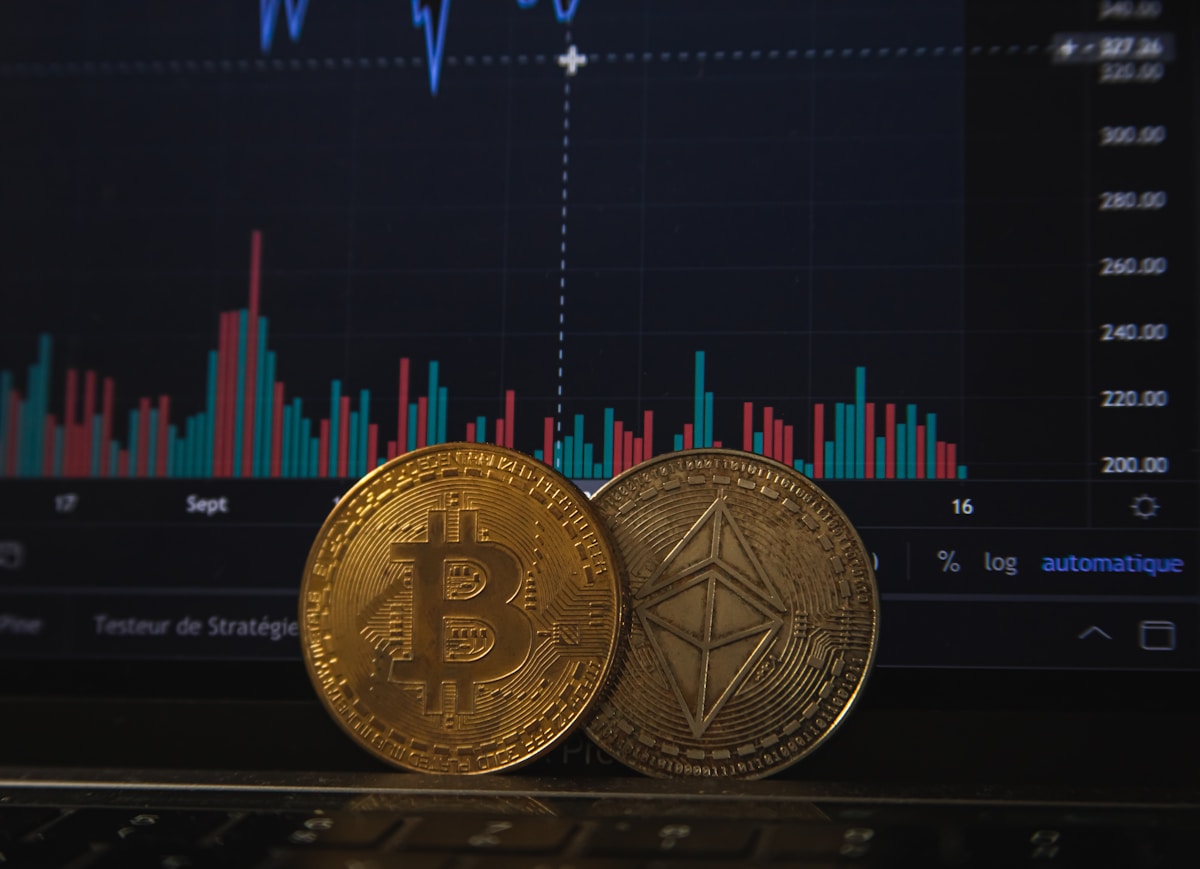
Bitcoin Staking Explained: How Babylon Lets BTC Earn Yield

- Primary Signal: Bitcoin Staking Explained: How Babylon Lets BTC Earn Yield
- Overview: Bitcoin has no native staking, but Babylon and similar protocols now let BTC holders earn yield by securing other networks. Here is how Bitcoin staking works, what it pays, and the...
- Verification: Analyzed and compiled by FreeFortune Crypto editorial monitoring desk.
Bitcoin cannot be staked in the way Ethereum or Solana can, because Bitcoin uses proof of work and has no staking mechanism built into its protocol. For years that meant BTC simply sat in wallets earning nothing. That changed with protocols like Babylon, which let Bitcoin holders lock their BTC to secure other networks, called proof-of-stake chains, and earn yield in return. Bitcoin staking is still new, and the yields and risks are very different from normal staking. This guide explains how it works in plain language.
How Babylon Bitcoin Staking Works
Babylon lets you lock your BTC in a self-custodial way to provide economic security to proof-of-stake chains. Your Bitcoin stays on the Bitcoin network, locked by a smart contract, and you earn rewards paid by the chains you help secure. Unlike wrapping BTC into a token on another chain, Babylon's design aims to keep your BTC under your own control, with the lock enforced by Bitcoin's own scripting. When the lock period ends, you can unlock and withdraw your BTC. The exact mechanics are technical, but the key idea is simple: your BTC acts as collateral that other networks can rely on, and you get paid for providing it.
What Yield Can BTC Holders Expect?
Yields from Bitcoin staking are modest and variable, because the rewards come from the chains being secured rather than from Bitcoin issuance. Early Babylon phases offered yields in the low single digits, and rates depend on how much BTC is staked, which chains are paying for security, and what tokens the rewards are paid in. That last point matters: rewards are often paid in the native tokens of the secured chains, not in BTC, so their value can fall sharply. Do not compare a headline Bitcoin staking yield directly with a bank rate or an ETH staking rate. The reward token, the lock period, and the risks are all different.
The Risks Are Different From Normal Staking
Bitcoin staking carries risks that do not exist with plain ETH or SOL staking. The protocol is new, so smart contract and design risks are higher than with battle-tested staking systems. Slashing can apply: if a validator you delegate to misbehaves, part of the staked BTC can be penalised. Your BTC is locked for a fixed period, so you cannot sell during a market drop. And because rewards are paid in other tokens, your real return depends on those tokens holding value. There is also regulatory uncertainty, since Bitcoin staking sits in a grey area in several jurisdictions. Treat it as an experimental yield product, not as a savings account.
Is Bitcoin Staking Worth It for You?
For long-term BTC holders who were going to hold anyway, staking a small portion can add a modest yield without selling. For anyone who needs liquidity, trades actively, or holds BTC as a short-term position, the lock-up makes it a poor fit. A sensible approach is to stake only a fraction of your BTC, use established protocols with audited code and real usage, and keep the rest liquid. As the market matures, more options are appearing, including exchange-offered Bitcoin yield products, but those add custodial risk on top. Whatever route you choose, verify the lock period, the reward token, and the slashing terms before you commit.
Frequently Asked Questions
Q: Can Bitcoin be staked like Ethereum?
A: No. Bitcoin has no native staking. Protocols like Babylon let you lock BTC to secure other networks, which is a different mechanism with different risks.
Q: Is my BTC safe when I stake it through Babylon?
A: The design is self-custodial, but the protocol is new and smart contract and slashing risks exist. Never stake more BTC than you can afford to have locked or lose.
Q: What are Bitcoin staking rewards paid in?
A: Usually in the native tokens of the chains your BTC helps secure, not in BTC. Those tokens can lose value, so your real return may be lower than the headline rate.
More from FreeFortune Crypto