
Zcash jumps 20% to landmark $1,000 level as short sellers lose $34 million
ZEC briefly traded above $1,020 as a sharp rally forced traders betting against the token out of leveraged positions....
271 stories published in 2026
ZEC briefly traded above $1,020 as a sharp rally forced traders betting against the token out of leveraged positions....

Explore complete coverage and detailed analysis on We checked 6 years of bitcoin data. The NFP report isn't big price mover. Read the latest Staking Yields u...

This morning's report will be key as the Fed considers whether to raise interest rates at its September policy meeting....
In-depth investigation and verified telemetry covering Confirmed Airdrops and Testnet Bounties. Explore the key methodologies, risk indicators, and performance models driving today's market shifts.

Granular breakdown of verified metrics, tactical blueprints, and quantitative models. Learn what top industry insiders look for to identify high-probability opportunities.
Actionable, field-tested instructions designed for immediate implementation. Discover how to streamline operations, bypass common bottlenecks, and scale results effectively.

Forward-looking telemetry mapping out major upcoming catalysts, structural shifts, and long-term trajectory projections for industry stakeholders and forward thinkers.

Free tokens are real, but the airdrop space is full of scams. This beginner's playbook explains the four kinds of airdrops, the burner-wallet setup that keeps you safe, and the five red flags that mean walk away.

You do not need a large salary to start investing: no-commission brokerages and fractional shares mean a small monthly amount is enough. This guide covers clearing expensive debt first, picking a sustainable amount, choosing a low-cost index fund, and automating the whole habit.
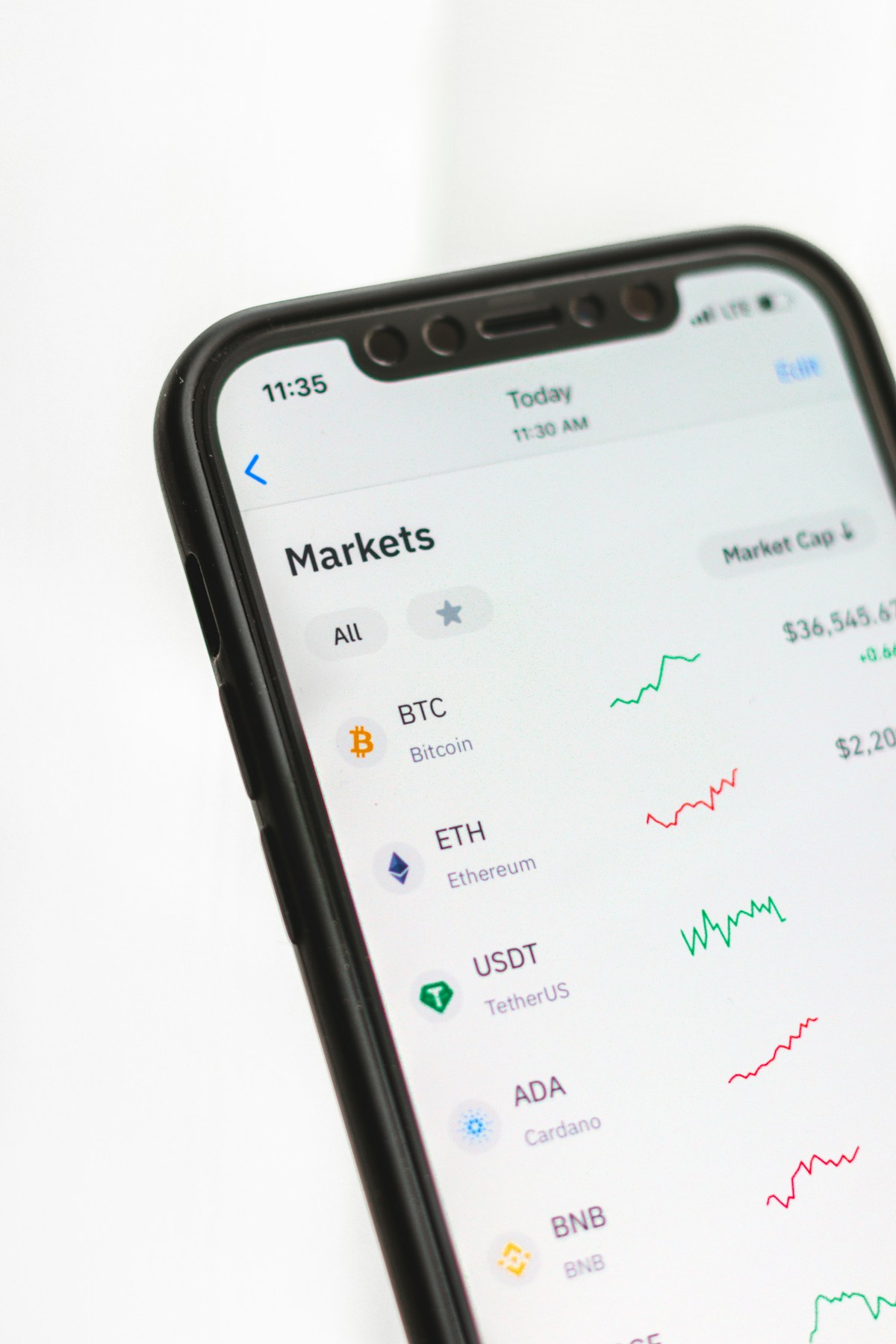
Testnet airdrops reward steady, genuine testing activity — not spending. A separate wallet, free test tokens, and a weekly routine are enough to qualify.

A burner wallet keeps risky airdrop claims separate from your main holdings. This guide covers how to create, fund, use, and retire one safely.
Before you connect a wallet to any airdrop claim page, verify eligibility through the project's own channels — a five-minute check that filters out most fakes.
Native staking and liquid staking both earn yield, but they differ on lockups, custody, and risk. Compare them honestly before you commit your tokens.

Testnet faucets give you free test tokens for practice — but only if you use a separate wallet, verify the faucet, and never mix in real funds.

Unstaking periods exist to protect networks, but they leave your funds illiquid for days or weeks. Know the wait before you stake, not after.
Chasing every rumoured airdrop burns time and fees. Focus on real usage, track your activity, and ignore the shortcuts that get wallets flagged.
Your validator choice decides how much of your staking reward you actually keep. Compare uptime, commission, and size before you delegate.
A snapshot is a record of wallet activity at a set moment — and it is usually taken before anyone knows it happened. Here's how snapshots work.
Staking rewards arrive in small, frequent payments that are easy to lose track of. A simple record now saves hours of reconstruction later.
Testnets and mainnets run the same software but different economies: one uses free, valueless tokens for practice, the other uses real assets.
Fake staking platforms promise impossible yields and demand custody of your funds. Check the team, the contract, and the withdrawal rules first.
You can check whether a wallet qualifies for an airdrop by pasting its public address into an official checker, no wallet connection needed. Here is how to do it safely and what the result really means.

Testnet faucets hand out free test tokens so you can try new networks without spending real money. This guide explains which faucet types work, why some ask for mainnet balance, and how to avoid wasting hours on dry taps.

Retroactive airdrops reward past behavior you did not know would pay, while points programs reward visible, consistent activity. The better payoff depends on whether you were early, consistent, or both.