Liquid Staking vs Locked Staking: Which One Earns More?
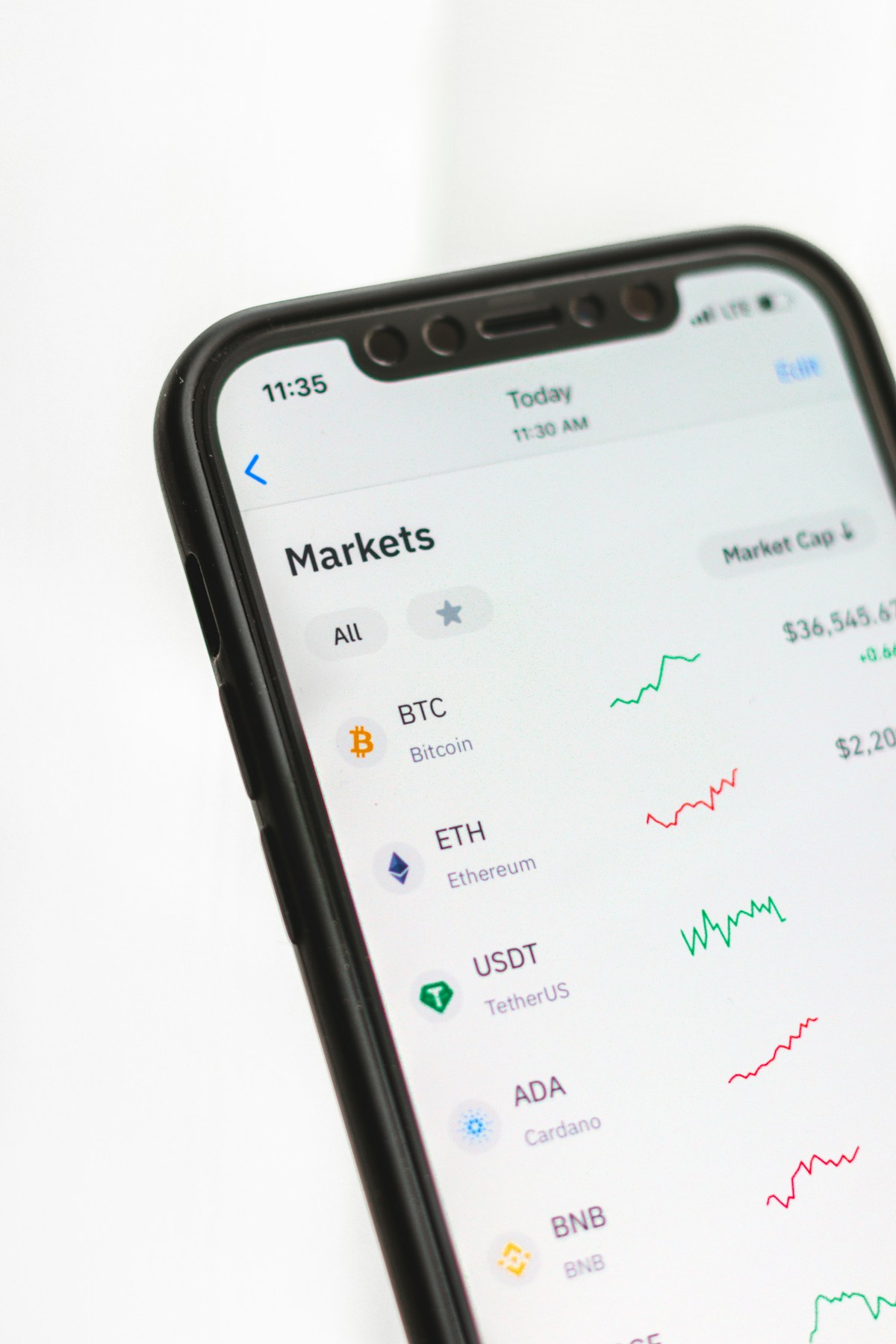
- Primary Signal: Liquid Staking vs Locked Staking: Which One Earns More?
- Overview: Liquid staking gives you a tradable token while your coins are staked, while locked staking ties them up until the period ends. This comparison breaks down returns, flexibility and...
- Verification: Analyzed and compiled by FreeFortune Crypto editorial monitoring desk.
Staking lets you earn rewards by helping secure a proof-of-stake blockchain, but the way you stake changes what you can do with your coins afterwards. With locked staking, your tokens sit with a validator and cannot be moved until an unbonding period passes, which can last days or weeks depending on the network.
Liquid staking works differently: you deposit tokens with a protocol and receive a liquid staking token in return, which represents your staked position and usually grows in value as rewards accrue. That receipt token can be traded, used as collateral, or placed in a liquidity pool, so your capital keeps working instead of sitting idle.
Locked staking often advertises a slightly higher annual percentage rate, because the network or exchange rewards you for accepting illiquidity. Liquid staking rates are usually close behind, but the protocol takes a small commission, often around five to ten percent of rewards, to run validators and maintain the system. The gap is rarely large enough to decide on rate alone, and the real difference shows up in what else you can earn: a liquid staking token deployed in a lending market or liquidity pool can add extra yield on top of staking rewards, though that extra yield always carries extra smart-contract and market risk.
The biggest practical advantage of liquid staking is the exit door. If the market drops sharply, you can sell your liquid staking token immediately, usually at a small discount to the underlying staked asset, instead of waiting out an unbonding period while prices fall. Locked stakers cannot react at all during that window, which can turn a manageable dip into a painful loss. On the other hand, that same easy exit tempts some holders to panic-sell at the worst moment, so flexibility helps only if you have a plan before volatility arrives.
Liquid staking adds a layer of smart-contract risk that plain locked staking does not have: if the protocol is hacked or its peg breaks, your receipt token can lose value even while the underlying network is fine. Some liquid staking tokens also trade at a discount during stress, so selling in a panic may cost more than waiting. Locked staking has its own risks, including validator slashing penalties and the opportunity cost of frozen capital, plus exchange custody risk if you stake through a centralised platform rather than your own wallet.
Choose locked staking if you plan to hold for months anyway, want the simplest setup, and value the slightly higher base rate without extra moving parts. Choose liquid staking if you want to stay flexible, understand the added contract risk, and have a genuine use for the receipt token, such as providing liquidity you already planned to provide. A common middle path is splitting a position: lock half for steady base yield and keep half liquid so you are never fully trapped. Whatever you choose, never stake funds you may need urgently, and remember that staking rewards are not guaranteed and token prices can fall far more than rewards pay.
Staking rewards are treated as income in many countries, and liquid staking tokens add a wrinkle because swapping or selling the receipt token can be a separate taxable event from earning the rewards themselves. Keep a simple record of every stake, unstake, swap and claim, including dates and approximate values, because reconstructing a year of DeFi transactions from memory is miserable. Some portfolio trackers can import wallet history automatically, but check their figures against your own log before filing anything. Tax rules vary widely by jurisdiction, so treat this as a prompt to research your local rules, not as tax advice, and set aside a portion of rewards rather than spending every token you earn.
Neither option is universally better, because the right choice depends on your time horizon, risk tolerance and need for flexibility. Compare the net rate after fees, check the unbonding period on your specific network, and read the protocol audit history before depositing. Done carefully, staking can be a steady source of yield; done blindly, it can lock you into losses you could have avoided.
📖 Continue Reading the Full Story
Continue reading this article on FreeFortune Crypto.
⚡ Access Full Content NowMore from FreeFortune Crypto



 💎 LuxeLiving 768
Crypto APY Calculator Australia: 2026 Staking Rewards Guide
Australian crypto investors: estimate your staking rewards with a crypto APY calculator. Compare APY vs APR, c...
 🐋 CryptoAce VIP
Pro Tips & Tricks: Crypto Liquidation Price & Margin Calculator (Day 13 Guide)
How professionals get 10x value from the Crypto Liquidation Price & Margin Calculator on CryptoAce VIP. Discov...
 🚀 RocketCoin Casino
Strategic Positioning: Typing Speed Test — WPM & Accuracy Test Online (Day 26 Guide)
Gaining a competitive advantage through Typing Speed Test — WPM & Accuracy Test Online on RocketCoin Casino. D...
₿ Lucky Satoshi
Automation & Integration: Typing Speed Test — WPM & Accuracy Test Online (Day 27 Guide)
Streamlining daily analytics with our Typing Speed Test — WPM & Accuracy Test Online on Lucky Satoshi. Discove...