
How to Claim a Crypto Airdrop Safely Without Losing Your Wallet
Claiming an airdrop should be simple, but fake claim pages are everywhere. Learn how to verify eligibility, check contracts, and claim safely step by step.
72 stories published in November 2026
Claiming an airdrop should be simple, but fake claim pages are everywhere. Learn how to verify eligibility, check contracts, and claim safely step by step.

Liquid staking gives you a tradable token for staked assets, while regular staking locks them up. Compare flexibility, risks, yields and use cases before choosing.

Snapshots freeze a moment in time to decide who qualifies for an airdrop. Learn how snapshots work, what activity counts, and why moving assets at the wrong time can cost you.

Airdrop farming across many projects quickly becomes chaos without tracking. Build a simple spreadsheet for wallets, protocols, costs, points and claims, and review it monthly.

Yield farming can pay high returns, but it carries smart contract, impermanent loss and liquidation risks. Learn the main dangers in plain language before committing any funds.

Restaking lets staked assets secure additional protocols for extra rewards and extra risk. Learn how it works, what slashing means here, and whether it suits a beginner.

A quoted 12% yield can mean very different things depending on whether it is APR or APY. Learn the formulas, work through real examples, and project your staking rewards before you lock up a single coin.

In most major jurisdictions, airdropped tokens count as income the moment you receive them — even if you never sell. Here is how airdrop taxation works, what records to keep, and the mistakes that cost farmers money.

Stablecoins pay real yield without the price swings of volatile coins — but the safest-looking rates often hide the most risk. Compare the main ways to earn on USDT and USDC, and learn which yields are worth it.

Running ten wallets can multiply an airdrop — or get every wallet disqualified. Learn how projects detect sybil farming, what the real risks are, and how to farm more without crossing the line.
Points are the new airdrop, but a million points can be worth ten dollars or ten thousand. Learn how to estimate a point's value before the token launch so you farm the programmes that pay and skip the ones that don't.

The most dangerous airdrop scams don't live on fake websites — they arrive as a friendly DM or a pinned announcement in a server you trust. Learn the exact tricks scammers use on Discord and Telegram, and the checks that stop them.
A $40 claim fee on a $25 airdrop is a loss, not a win. Learn how to check claim costs before you sign, when to wait for cheaper gas, and the tricks that keep small airdrops profitable.
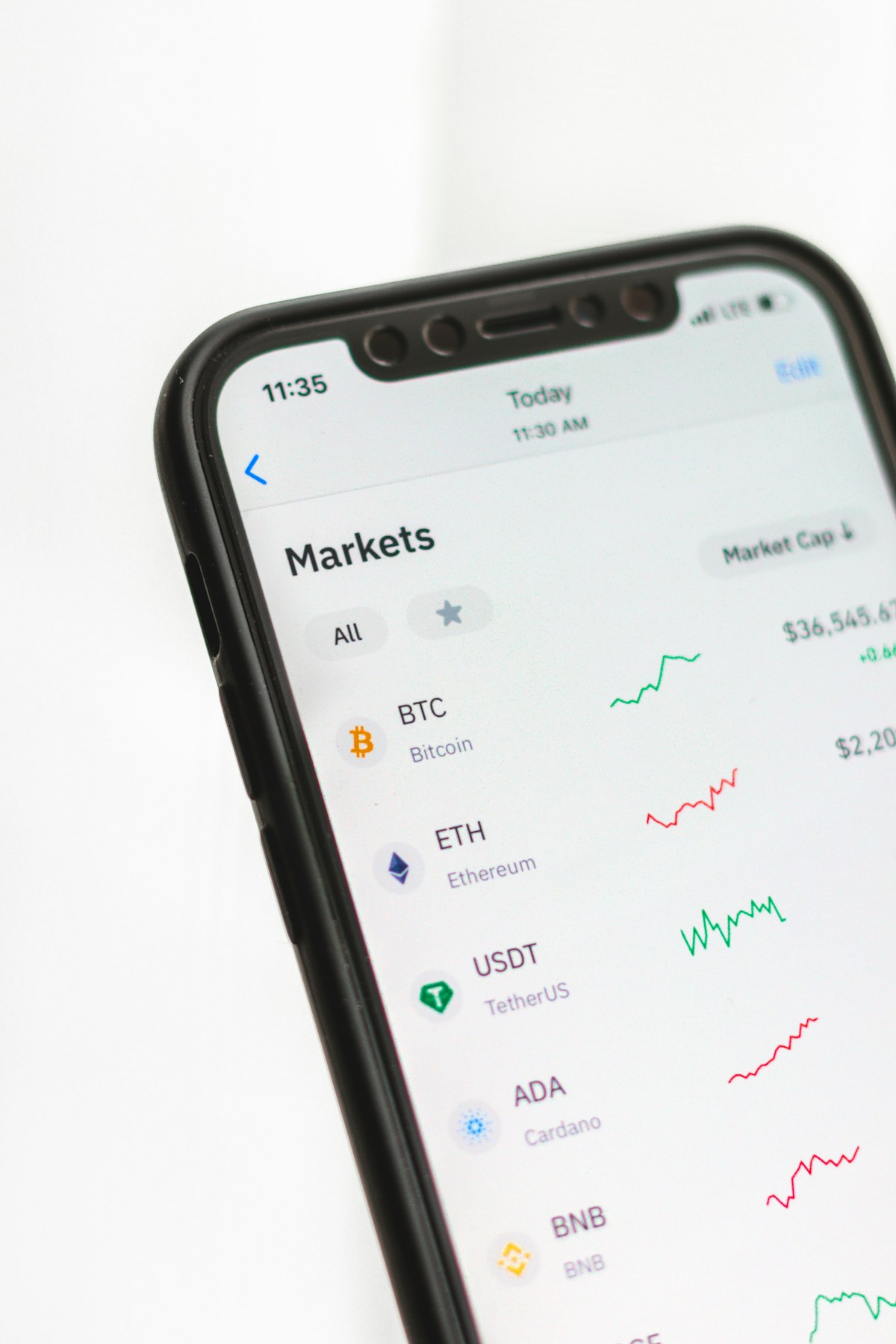
Aster, StandX, Grass, Monolith, Fables and more all have claim windows closing in November and December 2026. Here is every deadline that matters, how to check your eligibility, and what happens if you miss one.

Most testnets promise nothing. A small group in November 2026 actually publishes what testers earn: Vearl, FLOP, Asentum and Ammora lead the list. Here is what each one offers, what it costs, and how to join safely.
Most farmers earn far less than the screenshots suggest. The median airdrop payout is around $67, and the capital floor keeps rising. Here is the expected-value math that tells you whether farming is worth your hours.

Research published in 2026 found roughly 88 percent of airdropped tokens trade below their listing price within three months. Here is why the drop happens, and how to plan your sell, hold or stake decision before claim day.

Stablecoin staking pays around 4 to 5 percent on major platforms, but the yield comes with risks that do not exist in a bank account. Here is how depegs, smart contract bugs and platform failures can eat your stake.
Restaking promises extra yield on top of staking rewards, but liquid restaking tokens add layers of risk that regular staking does not have. Here is what can go wrong with LRTs, slashing and Actively Validated Services.

Jito and Marinade are the two biggest liquid staking options on Solana, but they pay differently: Jito adds MEV revenue on top of validator rewards, while Marinade spreads stake across many validators. Here is how their yields, fees and risks compare.

More than 43 million ETH is staked, and the entry queue has stretched past a million ETH. Here is how Ethereum's entry and exit queues work, why waits happen, and what it means for your staking plans.

Bitcoin has no native staking, but Babylon and similar protocols now let BTC holders earn yield by securing other networks. Here is how Bitcoin staking works, what it pays, and the risks to understand first.

Tap-to-earn games on Telegram promised easy airdrops to millions of players, but most tokens launched far below expectations. Here is what tap-to-earn actually paid, why the model faded, and whether any of it is still worth doing.
Aim for one year's salary saved by age 30. If you earn $60,000, the target is $60,000 across all accounts, including retirement accounts and an emergency fund.